
About enriching collections in Atlantis
Atlantis makes it possible for the public and technology to actively contribute to enriching digital heritage collections. This includes crowdsourcing, stories, and the use of AI tools.


Enriching collections with the help of the public and technology

Atlantis focuses on enriching collections by enabling active contributions from both the public and technological applications. Start and publish a Crowdsourcing project, collect and publish stories, or connect with external sources or AI tools with Atlantis. In this way, collections are provided with context that deepens their meaning.
A digital collection only truly comes to life when extra context, stories, and connections are added. Public participation provides unique insights and personal perspectives, while technology supports this with automatic collection metadata enrichment, links to external sources, and consistent standards. This creates a dynamic collection in which every object gains meaning, and the crowdsourcing collections as a whole become a more complete and valuable source of knowledge.
Together with the public
Atlantis Crowdsourcing is the ultimate crowdsourcing platform to have digitized archives and heritage provided with descriptions by the public. This simplifies and stimulates the involvement of volunteers. It enables organizations to initiate crowdsourcing projects, make them available to volunteers, and guide these projects effectively through a single integrated environment. Approved input is immediately available for publication.
Thanks to the Atlantis Stories module, a story platform is provided that allows visitors to write and view stories through your website. Discover and collect heritage stories that bring the past to life and inspire future generations. Approved stories are presented together with other collections
Technology as an enrichment tool
In addition to human contributions, technology plays a crucial role in enriching collections. For instance, connections with AI tools can be utilized to transcribe handwritten sources or to generate tags from images. Externally available information can be used in the form of external thesauri for consistent descriptions. These technological capabilities not only make the collection more complete, but also ensure it is managed more efficiently, is more discoverable, and is easier to combine with other collections.
Topics in enriching collections
Browse through different themes related to enriching collections within Atlantis.

Thanks to features such as annotations, stories, and crowdsourcing, the public can actively contribute to describing the collection.

Via integrated dashboards, the Atlantis Crowdsourcing platform provides instant insight into project statistics, such as the number of records described, approved, or still awaiting verification by volunteers.

Through a dedicated environment, organizations are able to initiate crowdsourcing projects, make them available to volunteers, and manage the projects effectively.

Enrich your platform by leveraging visitors' historical knowledge through text and multimedia stories, while simultaneously using this functionality to publish your own themes and online exhibitions.

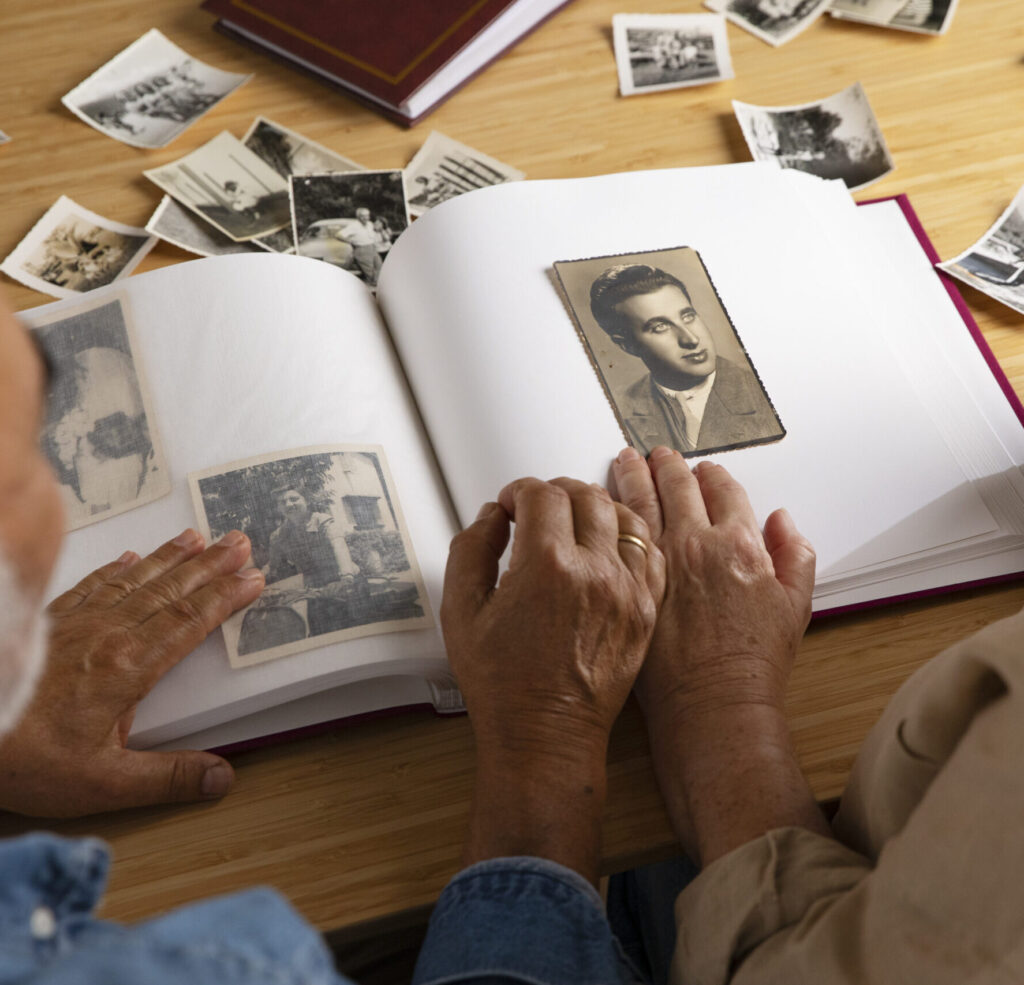
Enrich the collection by adding personal stories, anecdotes, and memories from the public directly to the objects and visual materials.
Stories are entered using a Rich Text Editor, providing freedom in layout and design. Additional fields can also be used to enhance discoverability.

FAQ
Frequently asked questions about enriching collections, including a concise answer. Is your question not listed? Please contact us.
How does automatic approval for descriptions work within Atlantis Crowdsourcing and how are discrepancies handled?


For projects, you can choose between single or multiple descriptions. With single description, every entry is approved by a reviewer. With multiple descriptions, fields that are consistently the same are automatically approved, while discrepant or inconsistently filled fields are presented to a reviewer, who can adjust, approve, or resubmit them for entry.
Can we expect more AI applications for enriching collections in the future?
Yes, AI is on our roadmap by default and developments for this will follow.
Do external AI tools have access to my data via Atlantis?
Connections with AI are exclusively realized at the request of our customers and therefore never without permission. For this purpose, a specific API is used that exchanges selected data with the chosen AI tool in a controlled manner.
How can writers format and manage stories when using the story platform?
Stories can be formatted with a Rich Text Editor, multimedia can be added, and they can be made discoverable via extra fields and managed through a user account.
How can Atlantis make handwritten sources searchable?
Via a connection with Transkribus, an OCR layer is placed over the handwritten sources, making the text automatically readable and searchable.
Can I deploy Atlantis Crowdsourcing as a standalone solution?
It is possible to deploy Atlantis Crowdsourcing as a standalone platform. Various tools and connection methods are available to import and export data. It includes a management environment where projects are configured, and a public environment where external users can sign up and participate in describing the collections.
Are written stories by external parties published directly?
When writing a story, the writer has the option to indicate whether the story is ready for publication. Once it is reported as ready, it is up to the administrators to determine whether the story will actually be published.
Can stories be linked to existing descriptions or objects?
Yes, stories can be related to existing descriptions or objects. In this way, a story can provide deeper insight into one or more chosen objects.
Enter your email to receive more information about Atlantis Collection Management.