
About connecting collections in Atlantis
Atlantis offers various possibilities for connecting or exchanging collections. Thanks to the application of Linked Open Data, collections are exchanged according to agreed standards for maximum usability.


Connecting collections via links and Linked Open Data
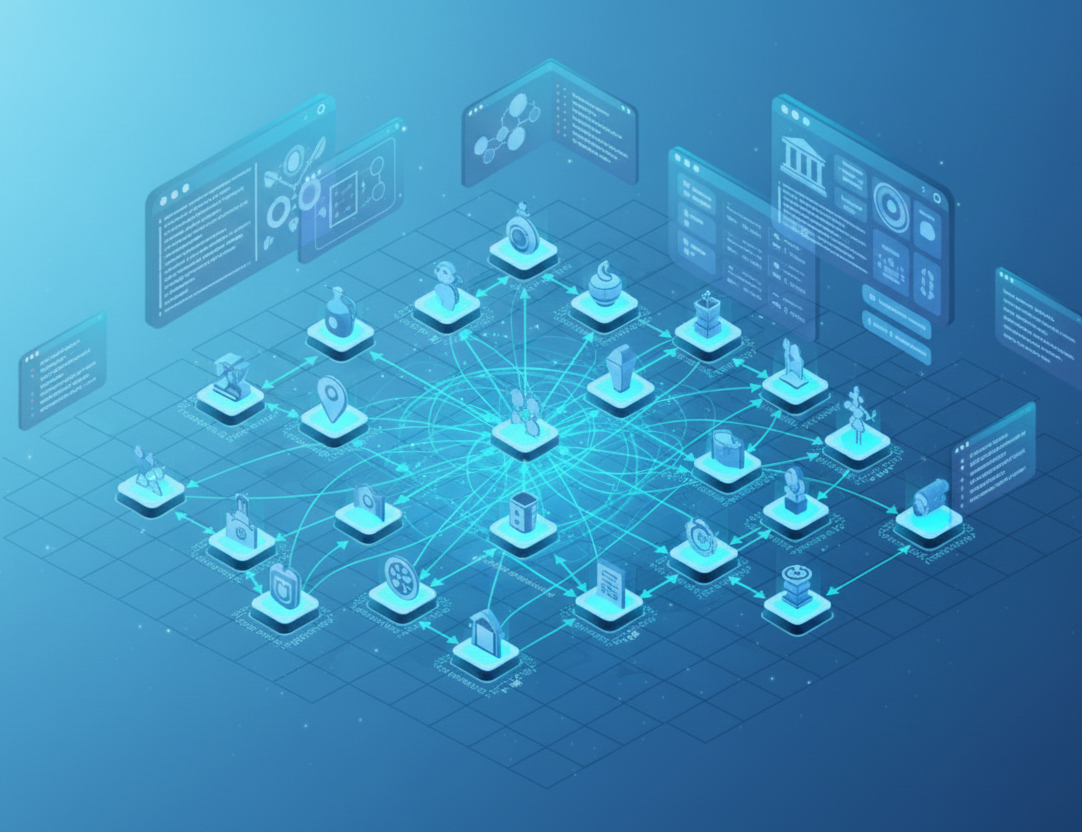
By using and publishing Linked Open Data via NDE-schema.org, the highest possible visibility, sustainability, and usability of data are guaranteed. This ensures that the data is fully NDE-compliant and seamlessly aligns with the guidelines of the Dutch Digital Heritage Network (Netwerk Digitaal Erfgoed). This directly enhances database quality and makes relevant information optimally discoverable for other platforms.
Atlantis supports connecting collections in a highly structured manner. The system enables users to establish relationships between different objects within their own collection as well as with external sources. By utilizing industry standards and controlled vocabularies, these links remain consistent and reliable. Through Atlantis, users can easily search across related collections and discover new connections.
Connecting with external sources
Atlantis offers an open framework that allows collections to be both enriched internally and linked to external sources. It utilizes open connection standards and protocols such as APIs, OAI-PMH, SRU, and import/export via XML, CSV, and HTML, making data exchange straightforward. External environments can be integrated to either provide or receive information, allowing collections to be automatically enriched with context, metadata, and supplementary material. Data from other collection management systems or external websites can be seamlessly integrated in this manner.
Connecting Heritage with Linked Open Data (LOD)
In an increasingly digital world, Linked Open Data offers a unique opportunity to make heritage collections more accessible and usable. Atlantis can be configured to be fully NDE-compliant, featuring structured data according to the NDE-schema.org. This allows heritage organizations, software vendors, and partners to connect seamlessly. As a result, collections can be linked and enriched in a meaningful way. With Linked Open Data in Atlantis, heritage collections can be easily shared and reused across the web, expanding their online reach and ensuring they remain relevant in the digital age.
Use cases
Browse through various topics related to connecting collections within Atlantis.

Publish your collection in line with the Dutch Digital Heritage Network guidelines. Atlantis features full NDE compatibility.
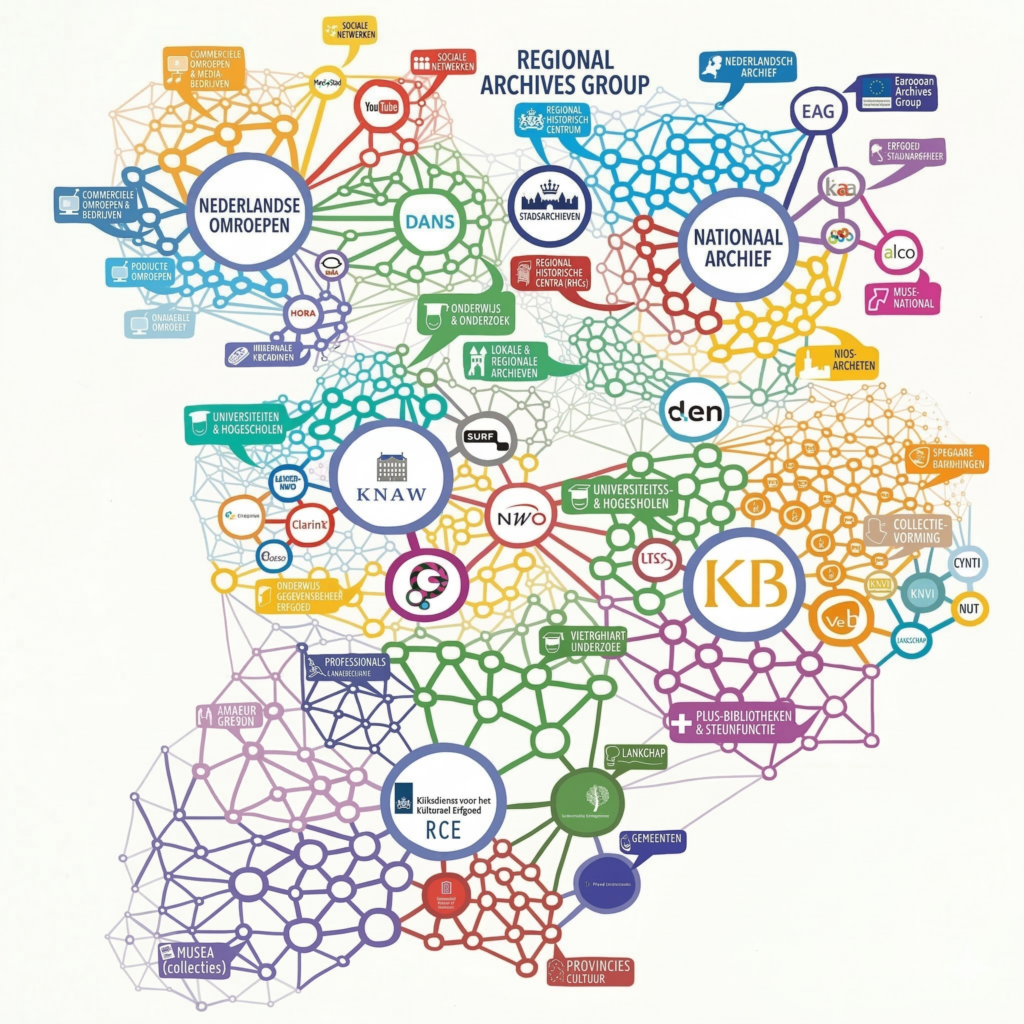
The Atlantis Linked Open Data portal displays available Linked Data sets and offers various options for utilizing them.
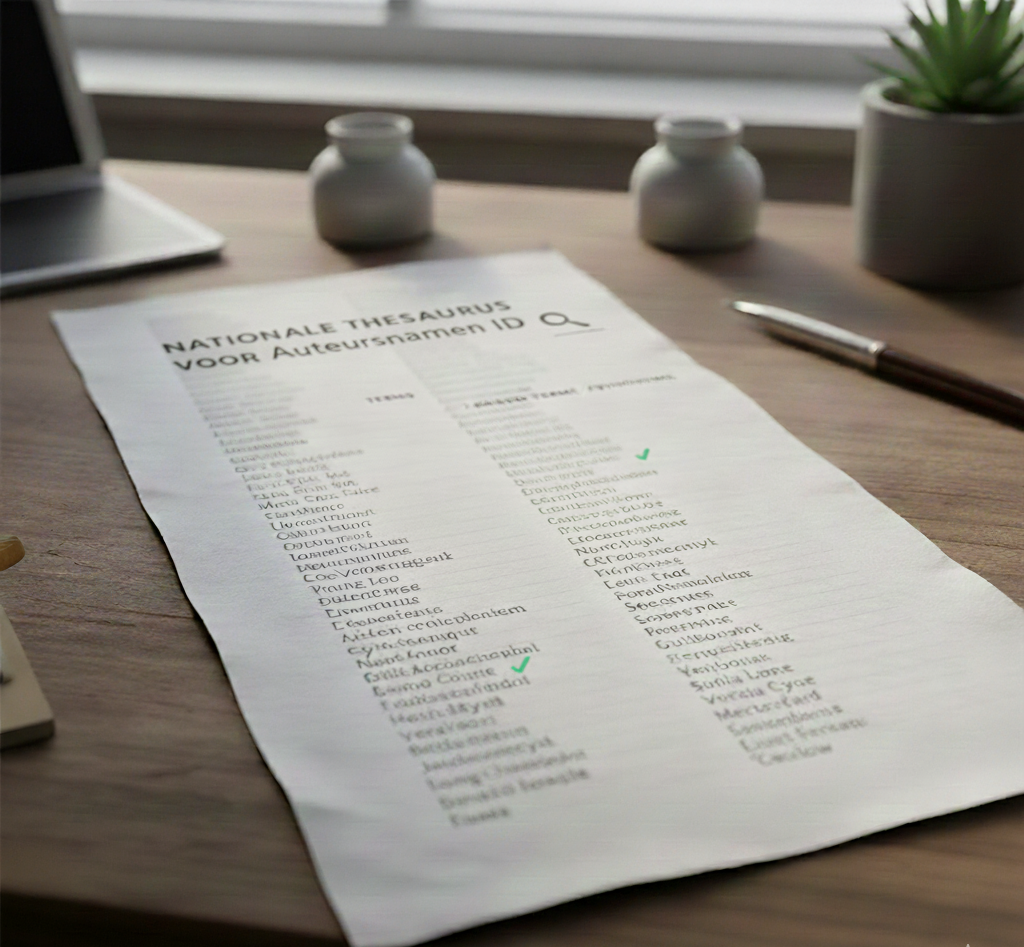
Centrally manage and configure thesaurus lists. Connect seamlessly with external thesauri such as the NDE Termennetwerk (Network of Terms), AAT, and Wikidata.
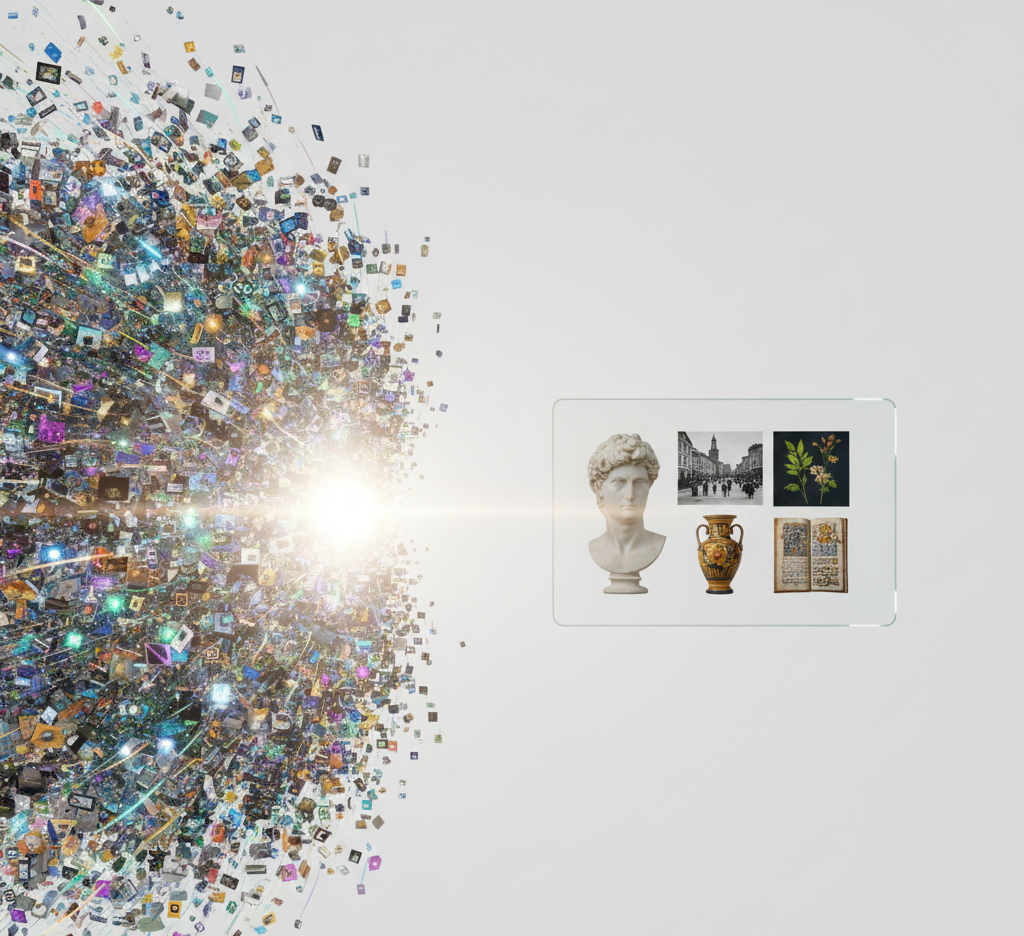
Collections from third-party systems are brought together through Atlantis so they can be presented collectively to colleagues or the public.

FAQ
Frequently asked questions about connecting collections, along with brief answers. Is your question not listed? Please contact us.
Can I use the Versnellingsregeling 2026 with Atlantis?


Atlantis is fully NDE-compliant and qualifies for the Versnellingsregeling of the Dutch Digital Heritage Network (Netwerk Digitaal Erfgoed).
What are the conditions to qualify for this scheme?
Your application must relate to an NDE-compliant collection management system, and your data must already be visible on one of these three platforms: Collectie Nederland, Oorlogsbronnen, or Europeana.
What can I receive financial support for under the Versnellen 2026 scheme?
Upgrading your existing collection management system, switching to an NDE-compliant collection management system such as Atlantis, OR joining a collective collection management system that operates according to these standards.
What are the benefits of using Linked Open Data?
Linked Open Data increases the visibility, sustainability, and usability of collections, simplifies reuse and publication, and helps discover new connections between collections. Thanks to Linked Open Data, the public part of your collection can be used without barriers by data reusers such as external platforms.
How does Atlantis use internal and external thesauri with Linked Open Data?
Atlantis supports both internal and external thesauri to ensure metadata and terms remain consistent. Internal thesauri provide uniform terminology within your own collection, while external thesauri (such as Getty AAT or Wikidata) can be used to enrich collections and link them with other heritage collections, making data more discoverable and interoperable.
Enter your email to receive more information about Atlantis Collection Management.