
About managing archeological collections in Atlantis
Atlantis offers a complete solution for professional archeology management. This module supports archeologists and heritage managers in recording and organizing objects, excavations, and projects. Present the collection online and share it as Linked Open Data with Atlantis.
Archeology
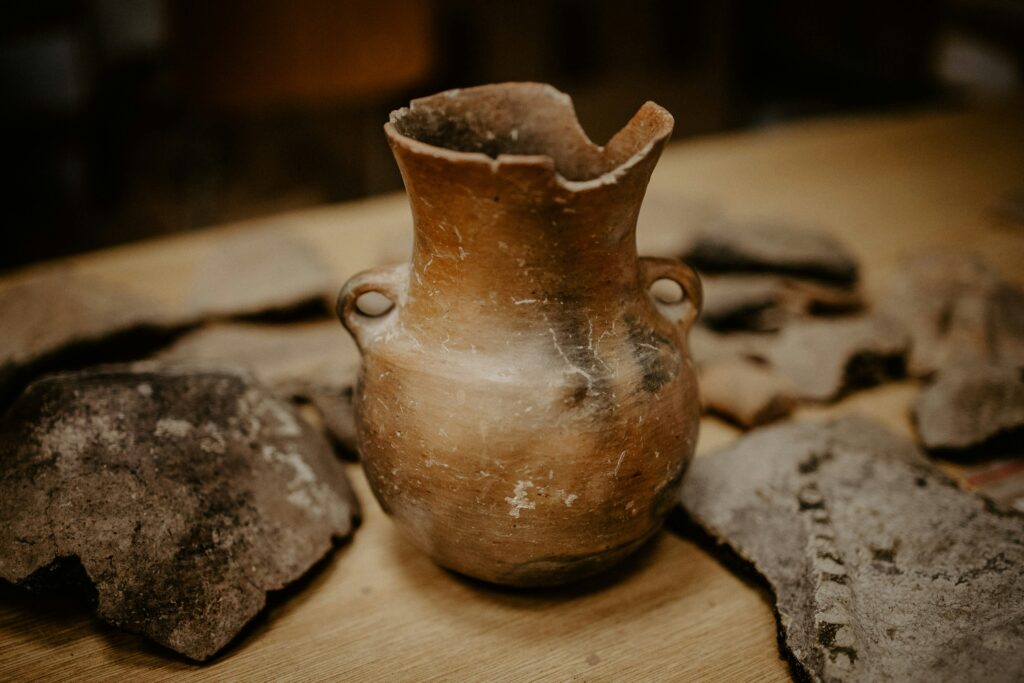
Under every layer of earth lies a story waiting to be discovered. Atlantis, equipped with the Archeology module, transforms these stories into structured data using advanced archeology management software for professionals in heritage management and archeological research. Thanks to a public environment, you can easily present open data to the general public. With Linked Open Data, these sources are readily usable for data platforms.
Our archeology module supports the complete cycle of fieldwork and depot management. During fieldwork, the module registers all crucial research data, including project descriptions, features, finds, digital drawings, photos, and relevant documents. In addition to fieldwork, the solution assists with depot management, where finds are linked to packaging, cabinets, shelves, and depots, with support for barcode scanners. Registration and measures in the area of conservation and conditions are an integral part of the solution. The information model aligns with the RCE Archeological Basic Register and the Municipal Data Model, while other standards can be implemented as desired.
Standardized choice lists for archeological collections management
The archeology module guarantees high data quality thanks to a combination of internal and external choice lists, optimizing your archeological collections management. The internal choice lists ensure consistent data entry. These are managed centrally and can be expanded by designated users. Wherever possible, external data sources such as AAT, Wikidata, the Archeological Basic Register, and the Heritage Thesaurus of the RCE are used. Extra external thesauri can be added as desired. External thesauri can be searched or navigated directly from the data entry form.
Packing slip
Atlantis supports working with packing slips. It provides an efficient import routine for packing slips, allowing users to easily read in a slip. The information is automatically processed and imported into Atlantis, making this data immediately available for further processing and management. The data is processed according to the requirements of the BRL SIKB 4000 Archeology. In addition to importing, there is the option to generate a packing slip for selections within Atlantis.
Topics in managing archaeological collections
Browse through various themes related to the registration and management of archeological collections in Atlantis.
Locate items seamlessly via the map using coordinates or address details to instantly view precise location data.
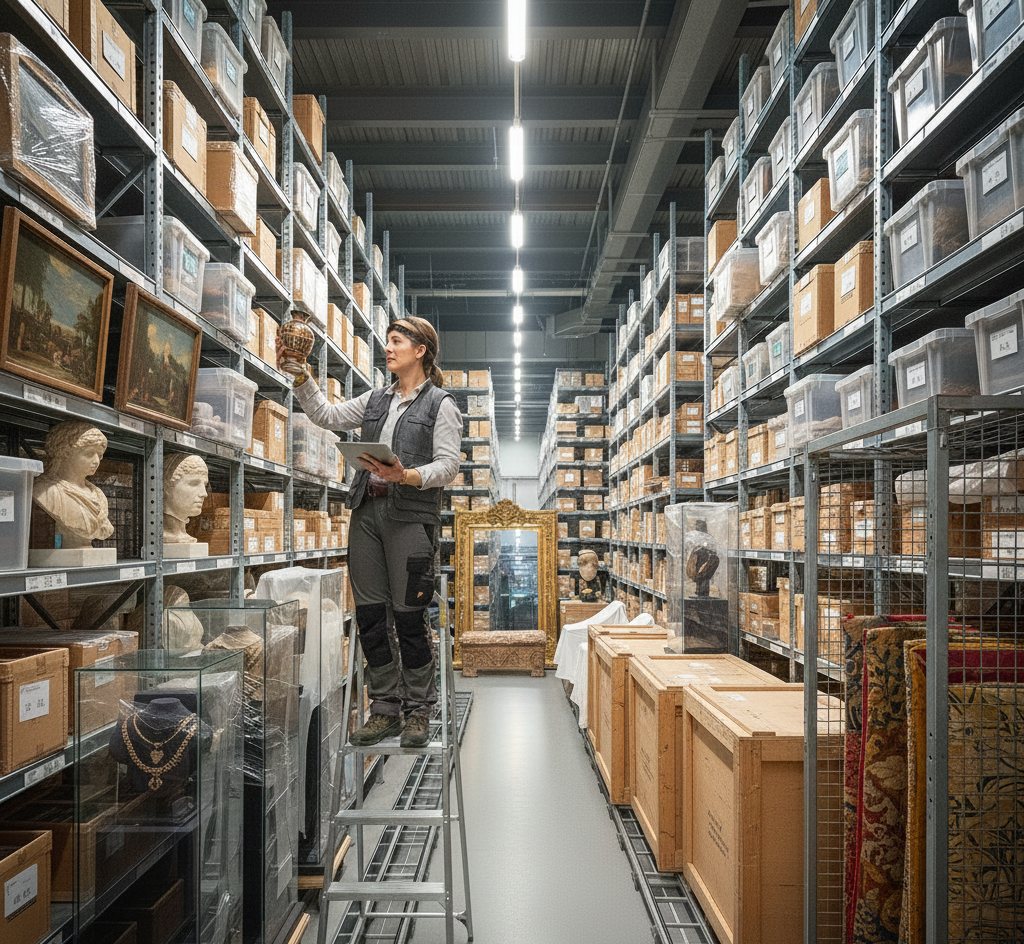
Configure repository locations completely to your liking and link objects to spaces for instant insight into dimensions, occupancy, and storage capacity.
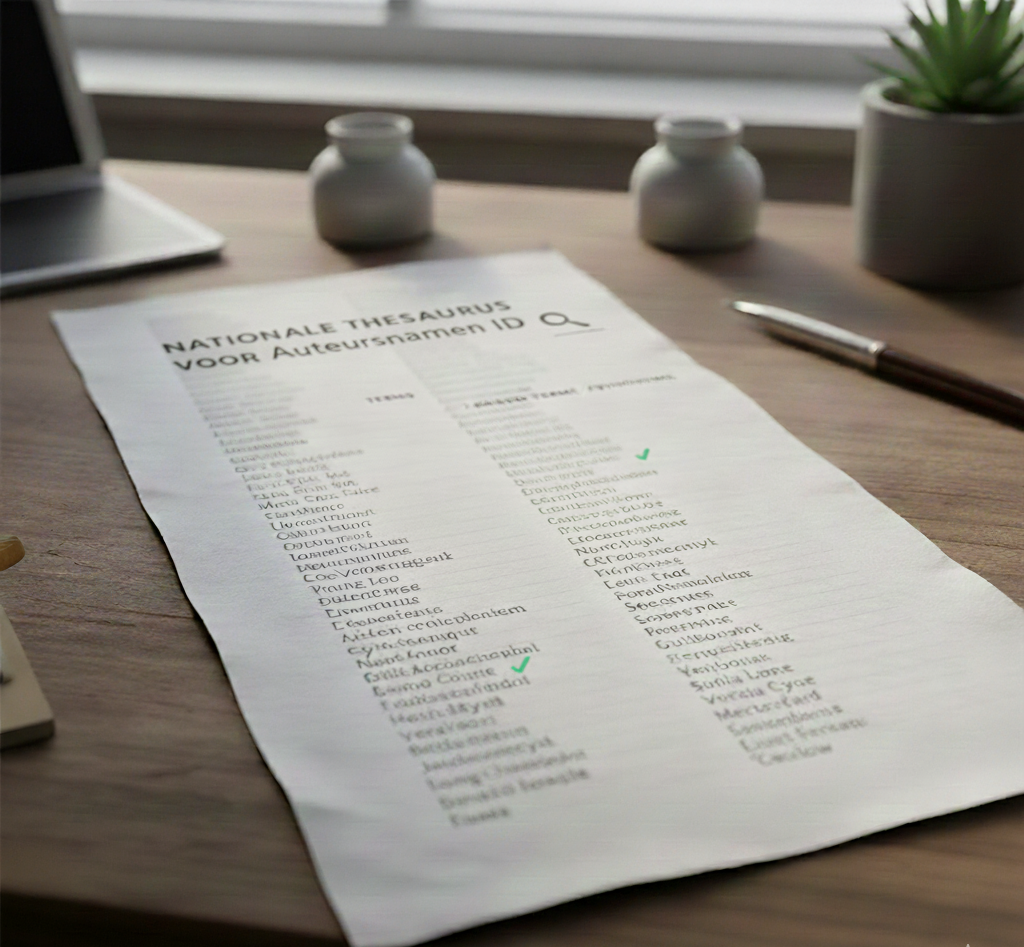
Centrally manage and configure thesaurus lists. Connect seamlessly with external thesauri such as the NDE Termennetwerk (Network of Terms), AAT, and Wikidata.
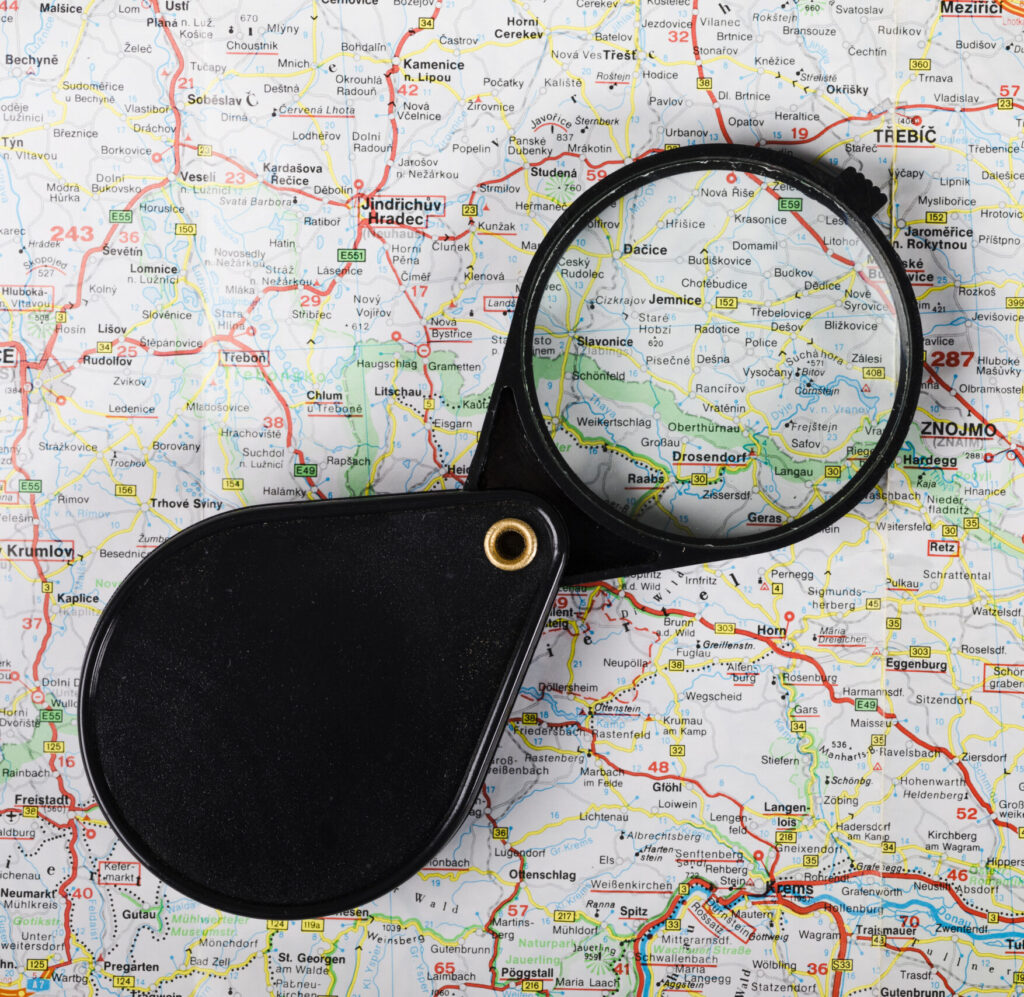
Using the PDOK map in Atlantis, the customer can instantly select all archaeological finds and artifacts within a specific area by drawing a circle.
Atlantis can integrate with any e-Depot of your choice. This means we can both ingest records and retrieve data for publication.

FAQ
Frequently asked questions about registering and managing archeological collections, accompanied by a concise answer. Is your question not listed? Please feel free to contact us.
Can Atlantis be used on-site during fieldwork?


Atlantis is a web-based platform. An internet browser and an internet connection are required to access the application. Atlantis can be used on-site via a laptop or tablet.
Are updates to the Archaeological Basic Register (ABR) automatically applied?
Yes, through the connection with the NDE Termennetwerk (Dutch Network for Digital Heritage) and the RCE thesauri, changes in national standards are often directly synchronized, ensuring you never work with outdated material codes or periodizations.
Can I add custom fields that are not included in the standards?
Yes. Although the system follows the standards, the data model is flexible. If your organization has specific research questions, you can add custom fields and tabs via the Configuration Cockpit without losing standard integrity.
Is an audit trail available for changes to find registrations?
This is crucial, especially for depot management. Atlantis tracks who made which change and when (for example, a location change of an object in the depot). This is essential for accountability towards subsidy providers or the inspectorate.
Can I perform bulk actions, such as moving 500 finds to a different packaging?
Manually making changes one by one is unfeasible. The management environment includes features for bulk mutations. You can select a series of find numbers and assign them all at once to a new packaging, cabinet, or project phase.
Can I also manage non-archeological collections (e.g., a historical archive) within the same system?
Absolutely. Precisely because Atlantis is modular, you can combine the archaeology module with modules for Archives or Image Banks. This is ideal for heritage institutions that manage both archeological finds and paper sources related to the same location.
Enter your email to receive more information about Atlantis Collection Management.